Docxsity Agent
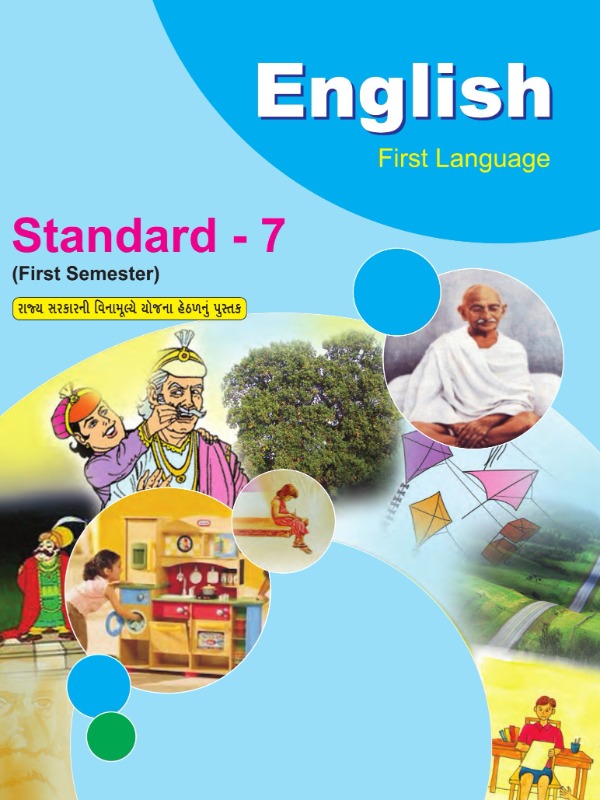
English (First Language) - Semester 1 | Class 7 (English)
The textbook "English (first language) standard 7 (first semester)" is specifically designed to create optimal conditions for language acquisition, moving beyond traditional content testing. It operates on the fundamental principle that learners must first encounter language they can understand, and subsequently, actively utilize that language to construct their own meaningful expressions. This pedagogical design aims to support teachers in facilitating this process, guiding students from an initial stage of comprehension to an intermediate level of language production.
A key advantage of this book lies in its comprehensive approach to fostering critical thinking and collaborative learning through diverse activities. Language tasks are predominantly open-ended, meaning they do not have single "right" answers, which encourages students to engage in deeper critical thinking and promotes extensive language production. Collaborative learning is actively stimulated by encouraging students to interact with peers, for instance, by asking classmates for help with unfamiliar vocabulary. This method not only facilitates natural vocabulary acquisition but also helps students feel more comfortable and autonomous in using the target language, effectively raising the class's collective vocabulary.
Furthermore, the textbook's approach to formative assessment is designed to align with these goals. Rather than testing the recall of specific content, assessment focuses on evaluating what students are able to do with the language after completing the tasks. This is achieved through methods like interviews or open-ended essay questions, allowing teachers and parents to observe a student's growing proficiency in language production at an intermediate level. The goal is never to test mere content, but rather to use engaging content as a vehicle for language learning and development, ensuring that assessment truly reflects the student's practical language capabilities and evolving critical thought.